- meta interview process explained checklist you can use in your next interview
- A simple framework to keep your answer structured and scorable
- A practice plan you can repeat until it feels natural out loud According to LinkedIn's Talent Blog, structured preparation improves interview performance by making your answers easier to evaluate.
TL;DR: meta interview process explained becomes easier when you use a clear structure, measurable proof, and a short practice loop.
Key Takeaways:
- Meta interview process explained is about matching prep to each stage’s scoring rubric.
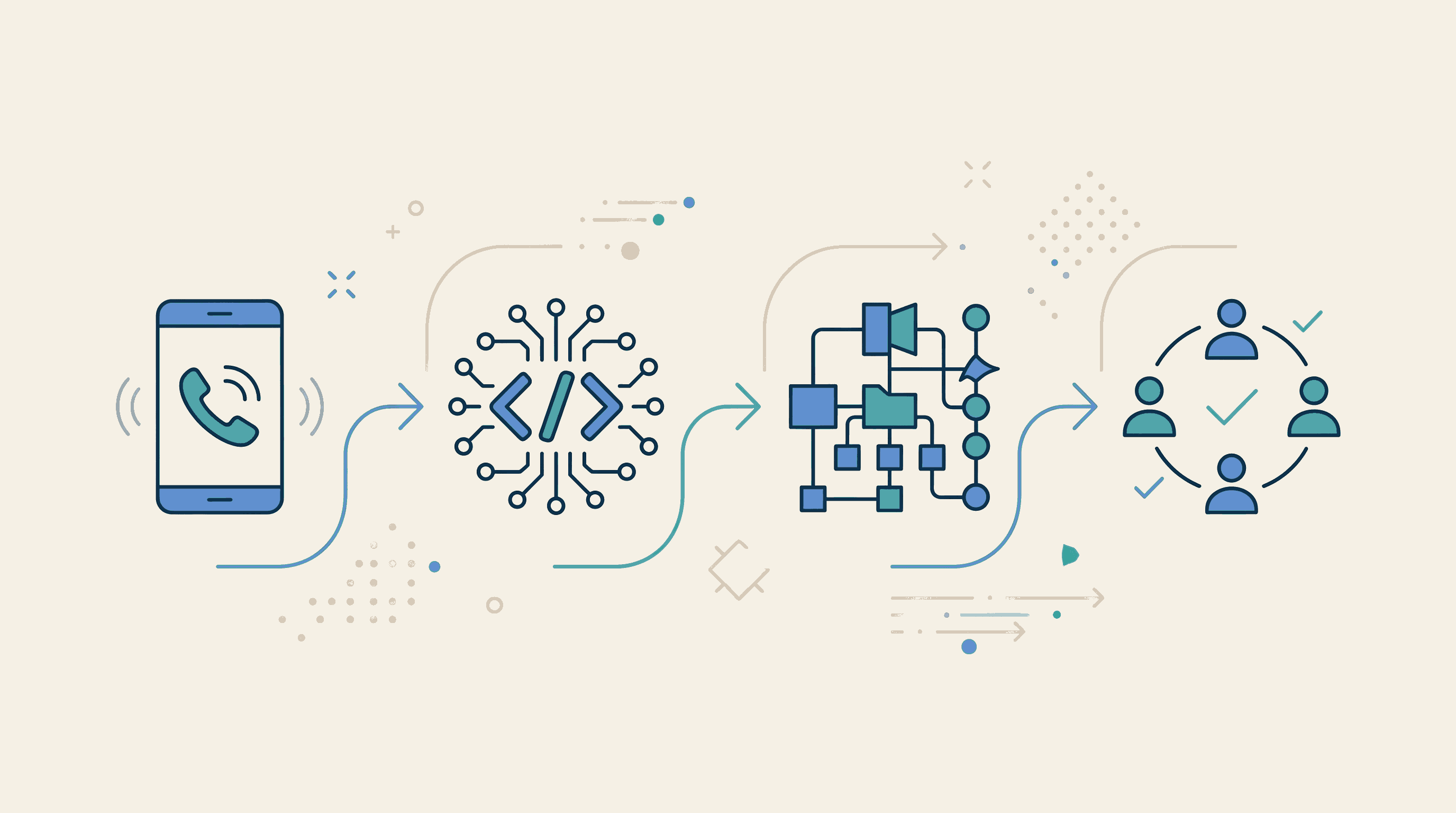
- Use the STAGE map: Screen → Technical → Behavioral → System/Domain → Hiring decision.
- Prepare communication and pacing as much as solutions.
- Run mocks early so feedback compounds before onsite loops.
What is meta interview process explained? It’s a clear breakdown of Meta’s interview stages and what each one evaluates, so you can prepare the right skills in the right order.
If you want the meta interview process explained in a way that helps you actually prepare: each stage has a different scoring target. The mistake is doing “random prep” that feels productive but doesn’t map to what interviewers grade.
According to the U.S. Bureau of Labor Statistics, overall employment of software developers is projected to grow 15% from 2024 to 2034 (BLS). Big companies can be selective, so the advantage comes from calibration: knowing what’s being scored and practicing that specifically.
Meta interview process explained: what stages you’ll typically see
Meta interview loops can vary by level and org, but the structure is consistent.
Typical stages:
- Recruiter screen: scope, level alignment, timeline, logistics.
- Technical screen: coding + reasoning + communication under time pressure.
- Behavioral / leadership: collaboration, conflict, ownership, learning.
- System design / domain: for higher levels or specific roles (e.g., backend).
- Hiring decision: holistic evaluation across signals.
Meta interview process explained as a prep approach: treat each stage like a separate exam with its own rubric.
What should you do first after getting a Meta interview?
Build a stage-based plan, then start mocks early. Most candidates wait too long to practice under realistic conditions.
Start here:
- Confirm stage types and timing with the recruiter.
- Create a weekly schedule with one theme per day (DSA patterns, communication, behavioral).
- Schedule your first mock interview in week 2, not week 6.
If you’re unsure how to structure practice, the mock interview practice guide gives you a repeatable cadence.
Meta interview process explained: how technical screens are scored
Interviewers grade clarity and correctness. You can lose points with the right solution if your reasoning is invisible.
Strong technical screen signals:
- You restate the problem and confirm constraints.
- You propose an approach and complexity before coding.
- You narrate edge cases and test cases.
- You keep code readable and correct under time pressure.
Use these coding interview tips as your baseline, then practice timed sets so your pacing improves.
Meta interview process explained: behavioral stage signals that matter
Behavioral rounds are not “personality tests.” They’re looking for predictable collaboration and ownership.
Strong signals:
- Ownership without blaming (“I missed this, here’s what I changed.”)
- Conflict resolution with empathy and clarity
- Learning loops: what you did differently afterward
- Clear communication under stress
If you need story structure, the behavioral interview prep guide and the STAR method guide are the fastest way to make stories scorable.
Meta interview process explained: recruiter screen checklist
The recruiter screen is not just scheduling. It’s your chance to align on scope and avoid surprises later.
Use this checklist:
- Confirm role + level expectations (what level are they calibrating you for?).
- Ask what the loop includes (coding, behavioral, system design, domain-specific).
- Ask what languages are acceptable and what tooling is allowed.
- Confirm timeline and whether you’ll have a debrief/feedback channel.
- Clarify if there are role-specific constraints (frontend vs backend, product vs infra).
This is also where you should proactively schedule a first mock. If you wait until the end, you don’t have enough iterations to improve pacing.
Meta interview process explained: what “good” looks like in coding rounds
Meta coding rounds are usually about correctness + communication under time pressure. Many candidates know the algorithm but lose points on framing, edge cases, or messy code.
Focus your prep on:
- Recognizing common patterns (hashing, two pointers, BFS/DFS, heap, DP basics).
- Writing clean code quickly (clear names, small helpers, minimal bug surface).
- Testing with 2–3 cases out loud (normal + edge + stress).
If your fundamentals are shaky, follow a pattern-based schedule like the leetcode study plan 3 months so your practice builds triggers, not random exposure.
Meta interview process explained: system design expectations by level
System design is about reasoning, not memorizing architectures. What changes by level is the scope you can handle and how you communicate tradeoffs.
For mid-level:
- Clear requirements and constraints
- Reasonable high-level architecture
- One deep dive (data model, caching, consistency, or scaling)
For senior+:
- Strong requirement clarification and prioritization
- Multiple tradeoffs (latency vs cost, consistency vs availability)
- Failure modes and operational plan (monitoring, rollout, incident handling)
If system design is in your loop, use system design interview tips to keep your approach structured and scorable.
Meta interview process explained: how to prep efficiently (a 4-week plan)
The goal is coverage + repetition, not infinite problem volume.
Week 1: Baseline + patterns
- 8–10 medium DSA problems
- Speak solutions out loud for 3 minutes each
- Draft 6 behavioral stories
Week 2: Timed reps + first mock
- 2 timed sets (2 problems / 60 minutes)
- 1 mock interview (technical + behavioral)
- Fix top 2 repeated mistakes
Week 3: Weak spot week
- Focus on your weakest 2 patterns
- Do 2 more mocks and record answers
- Tighten storytelling and pacing
Week 4: Pressure testing
- 2 full mocks
- Review and re-solve missed patterns
- Shorten explanations and improve confidence
Practicing with LeetCodeMate helps because the feedback is specific: clarity, tradeoffs, and where your reasoning goes off the rails—not just “keep practicing.”
Meta interview process explained: common failure modes (and quick fixes)
Most failures are not “lack of intelligence.” They’re mismatches between prep and rubric.
-
Rushing into code: you skip constraints and edge cases.
Fix: always restate the problem and name 2 test cases before typing. -
Silent solving: the interviewer can’t grade your reasoning.
Fix: narrate your approach, complexity, and invariants as you go. -
Weak pacing: you get stuck in the first 15 minutes and never recover.
Fix: practice timed sets and force yourself to propose a fallback approach. -
Behavioral stories with no ownership: too much “we,” not enough “I.”
Fix: rewrite your Task and Action lines to start with what you owned and decided. -
System design with no tradeoffs: you list components but don’t justify choices.
Fix: name one constraint and one tradeoff per major decision (cost, latency, reliability).
These are exactly the issues a good mock interview surfaces early. Fixing one repeated failure mode often improves your score more than doing 50 extra problems.
Compare block: weak vs strong prep plan
❌ Weak Answer: "I’m just doing as many LeetCode problems as possible and hoping I get lucky with the question types."
✅ Strong Answer: "I treat the meta interview process explained as stage-based prep: I practice DSA patterns under a clock, rehearse behavioral stories with STAR, and run weekly mocks so my communication improves before onsite."
Callout: avoid the “late mock” trap
⚠️ Warning: If you start mock interviews in the final week, you won’t have time for feedback to compound. Start early, even if you feel unready.
Meta interview process explained: the day-before checklist
The final 24 hours should reduce variance, not add new topics. Use this checklist to show up calm and consistent.
- Re-solve 2 medium problems you’ve already done, timed and out loud.
- Review your top 6 behavioral stories and their “proof lines” (metric + decision).
- Prepare 3 clarifying questions you ask in every round (constraints, edge cases, success metric).
- Sleep and logistics: stable routine, setup tested, water and notes ready.
If you do one thing, prioritize communication: in the meta interview process explained rubric, clear reasoning often matters as much as the final code.
Frequently Asked Questions
How long does the Meta interview process take?
It varies, but expect multiple stages. The best plan is to build weekly progress, not rely on last-minute cramming.
Do I need system design for the Meta interview process explained plan?
For many roles and levels, yes. If system design is part of your loop, pair this with system design interview tips to build a repeatable approach.
What if I fail a technical screen?
Ask for feedback, then rebuild the plan around the failure mode: pacing, edge cases, communication, or pattern gaps. Many candidates improve quickly with focused repetition and mocks.
Key Takeaways
- Treat Meta interviews as stage-based rubrics, not a single exam.
- Practice under time pressure and speak solutions out loud.
- Prepare 6–8 behavioral stories with clear ownership and learning.
- Start mock interviews early so feedback compounds.
Ready to practice your meta interview process explained prep with a real interviewer? Book a free mock interview on LeetCodeMate → and get personalized feedback from engineers who've interviewed at FAANG companies.
Weak vs Strong: meta interview process explained
Weak Answer
I would approach it generally and hope it lands. I don’t have a clear structure and I can’t point to a concrete result.
Strong Answer
I use a clear structure, state what I owned, and prove impact with one metric. I keep it concise and role-aligned.
The strong answer is scorable: structure, ownership, evidence, and clear fit.
If you want related practice, read a complementary interview prep guide and another framework you can reuse.
The fastest way to improve is hearing how your meta interview process explained answer lands with an experienced interviewer—Start Practicing Free and get scored feedback.
Ready to practice?
Book a mock interview session and get targeted feedback.