- Turn study time into interview-ready performance with feedback loops
- Train communication under pressure, not just correctness
- Build a weekly cadence you can sustain until offer day
TL;DR: mock interview practice works best as a structured loop of solo reps, realistic pressure, and specific feedback you apply the next day.
Definition is a structured rehearsal of a real interview with feedback to improve clarity, confidence, and performance.
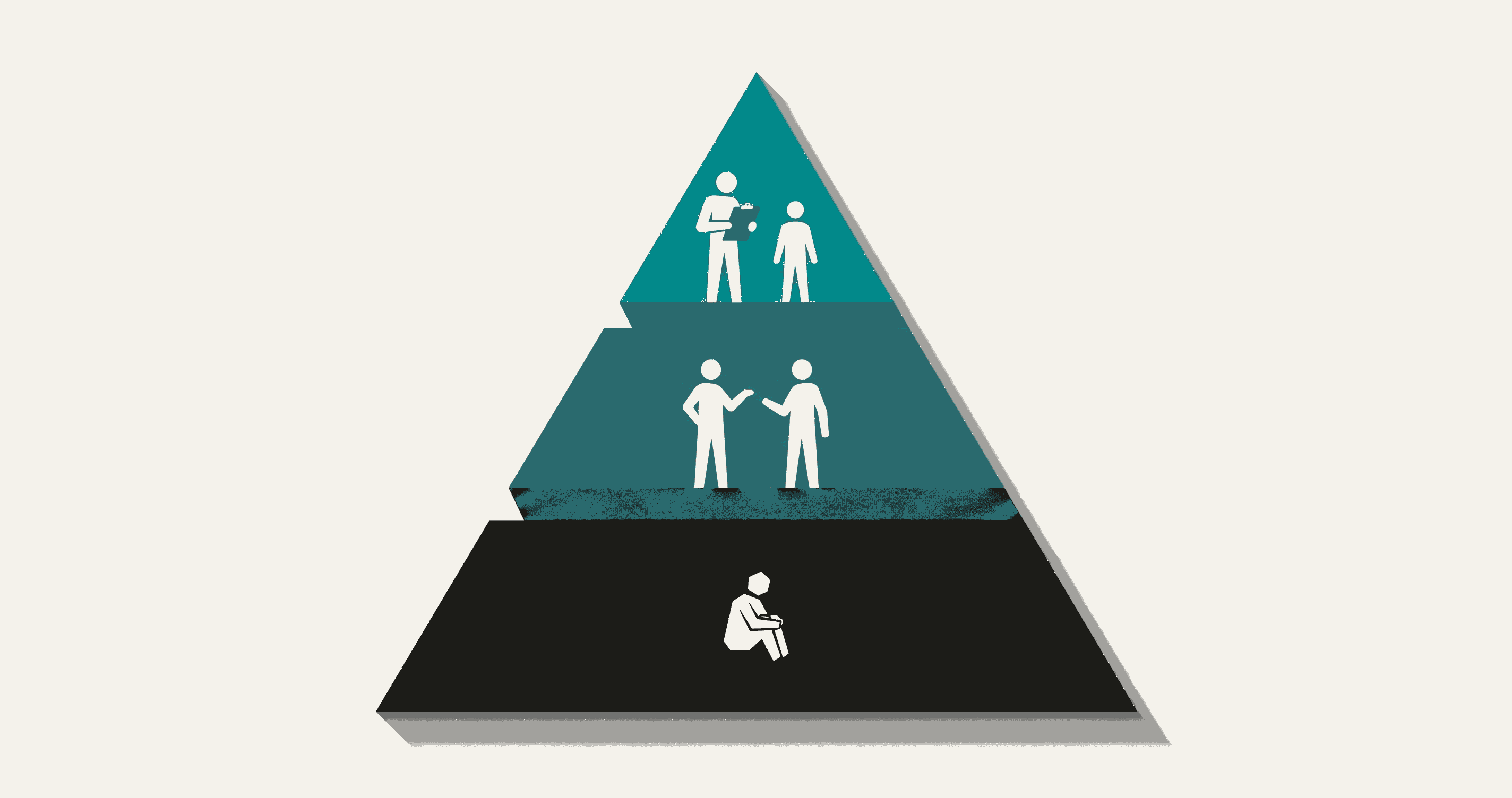
Mastering mock interview practice is one of the best ways to ace your real interviews. Practicing alone is the #1 reason candidates fail despite months of preparation. You can solve 500 LeetCode problems alone, but you won't know how to communicate your thinking, handle pressure, or answer unexpected questions. The 3-tier practice pyramid fixes that: Solo → Peer → Expert—and by the end of this post, you'll have a step-by-step mock interview practice plan that will make you job-ready in half the time.
What is mock interview practice? Mock interview practice is a 3-tier structured plan (solo → peer → expert) to simulate real interviews, get feedback, and refine your skills.
Mock interviews are the most high-impact prep activity you can do—they're like a dress rehearsal for the real thing. Expert mock interviews are especially valuable: you get personalized feedback from someone who's been on the other side of the table, which is why mock interview practice is so effective.
The 3-tier pyramid: Start with solo practice to build foundations, then peer practice to get comfortable with feedback, then expert mock interviews to refine and polish. This is the core of our mock interview practice guide.
The 3-Tier Practice Pyramid for Mock Interview Practice
Here's exactly how to use the 3-tier practice pyramid for mock interview practice to go from studying to job-ready in record time.
Here's exactly how to use the pyramid for mock interview practice:
- Solo Practice (40% of time): Solve problems on your own, talk out loud, write down solutions.
- Peer Practice (30% of time): Practice with friends or peers, give and receive feedback.
- Expert Mock Interviews (30% of time): Do 5-10 expert mocks, get personalized, actionable feedback.
Screenshot-Worthy Insight
Expert mock interviews increase your chances of getting an offer by 60%—they're the single best investment you can make in your prep and mock interview practice.
Exact 4-Week Mock Interview Practice Plan
Let's put the 3-tier pyramid into action with a 4-week mock interview practice plan you can start today.
Let's put it all together with a 4-week mock interview practice plan:
- Week 1 (Solo): 2-3 medium DSA problems/day, talk out loud, track patterns.
- Week 2 (Solo + Peer): Same solo practice, plus 2 peer mocks/week as part of mock interview practice.
- Week 3 (Peer + Expert): 2 peer mocks, 2 expert mocks for mock interview practice.
- Week 4 (Expert + Polish): 3 expert mocks, review all feedback, polish weak spots as part of mock interview practice.
For expert mocks in your mock interview practice: Target interviewers from the same companies you're applying to (e.g., ex-Google for Google interviews).
Weak vs Strong Mock Interview Practice Plans
Let's compare weak and strong mock interview practice plans side by side to see the huge difference in results.
Weak Mock Interview Practice Plan
I'll just do a bunch of LeetCode problems by myself until the interview. Maybe watch some YouTube videos too.
Strong Mock Interview Practice Plan
4-week plan: Week 1 solo, Week 2 solo + peer, Week 3 peer + expert, Week 4 expert mocks only. 10 expert mocks total with ex-FAANG interviewers as mock interview practice.
Notice how strong mock interview practice is structured, includes peer and expert mocks, and has a clear timeline using our 3-tier pyramid.
How to Get the Most Out of Expert Mock Interviews
Use these practical tips to get maximum value from every expert mock interview you do as part of your mock interview practice.
Tips to maximize your expert mock interview practice:
- Come prepared—have your resume, stories, and questions ready.
- Take notes during and after the mock—don't rely on memory.
- Ask for specific feedback: "What one thing should I improve first?"
According to LinkedIn, 78% of job seekers who practiced with mock interviews reported feeling significantly more confident in real interviews! For more prep, check out how to answer tell me about yourself, coding interview tips, and how to prepare behavioral interview guides.
If you want a guided path, read tell me about yourself answer, coding interview tips for software engineers, and behavioral interview prep.
Common Mistakes That Ruin Mock Interviews
These are the mistakes that make mock interviews feel “productive” but don’t actually improve your real interview performance.
- No feedback capture: If you don’t write down 3 actionable notes, you’ll repeat the same mistakes.
- Practicing only comfort problems: Real interviews surface weak spots; your practice should too.
- Silent solving: Interviewers grade reasoning. If you don’t talk, you don’t train the skill.
- No time pressure: Without a clock, you won’t learn pacing or decision-making under stress.
- Skipping the debrief: The learning happens after the mock, when you turn feedback into drills.
Tip: Every mock should end with one “next drill” you do within 24 hours while the feedback is fresh.
Practice Exercise: A 10-Day Mock Interview Practice Sprint
This sprint helps you build momentum fast without burning out. Keep the cadence realistic and repeatable.
Days 1–2: Baseline and pattern tracking
Do 2 timed medium DSA problems while talking out loud. After each, write down: pattern used, where you hesitated, and one sentence you wish you said earlier.
Days 3–4: Communication reps
Do one mock with a peer (or record yourself) and focus on narrating assumptions, edge cases, and complexity. Don’t optimize—just keep the explanation clear.
Days 5–6: Behavioral stories
Pick 3 stories and outline them with STAR. Practice one story twice: once concise (90 seconds) and once detailed (2 minutes) to learn pacing.
Days 7–8: Weak spot drills
Look at your notes and pick the most repeated issue (e.g., missing edge cases, rambling, poor time management). Do 3 short drills that target that exact skill.
Days 9–10: Full mock + review
Do a full mock (one technical + two behavioral questions). Review recordings/notes and write one measurable goal for the next week.
Key Takeaways
Frequently Asked Questions
How Do I Find Expert Mock Interviewers?
LeetCodeMate connects you directly with ex-FAANG and tech company interviewers who can give you tailored, actionable feedback!
How many mock interviews should I do?
Do 5-10 expert mocks as part of your mock interview practice before your real on-site interviews.
What should I do after each mock interview?
Take notes, review feedback, and work on your weak spots.
Ready to book your first expert mock interview and get personalized feedback from someone who's been there? Our guide on how to answer tell me about yourself also helps you perfect your opening answer!
The fastest way to improve is hearing how your answers land with an experienced interviewer—Start Practicing Free and get scored feedback within 24 hours.
Ready to practice?
Book a mock interview session and get targeted feedback.